Monthly Archives: February 2012

Mauritania and a Ride on the Second Largest Train in the World

I’m aware that my posts have now become entirely anachronistic. This post is about Mauritania, my next post will cover Mali, and the post after that very well may cover Guinea. I have much, much more to say about Ghana, Guinea, Mauritania, Senegal, and Mali. To my dear readers I have but one message: so what? Deal with it.

Now, how many of you have even heard of Mauritania? That’s a question I heard a lot. Many Mauritanians are wary of their status as an “ignored country.” Most overland travelers treat the country as a drive-over, without spending nearly the amount of time they would in Senegal to the south and Morocco to the north. Unfortunately, I followed suit. I spent a little over a week in Mauritania. It was, however eventful.

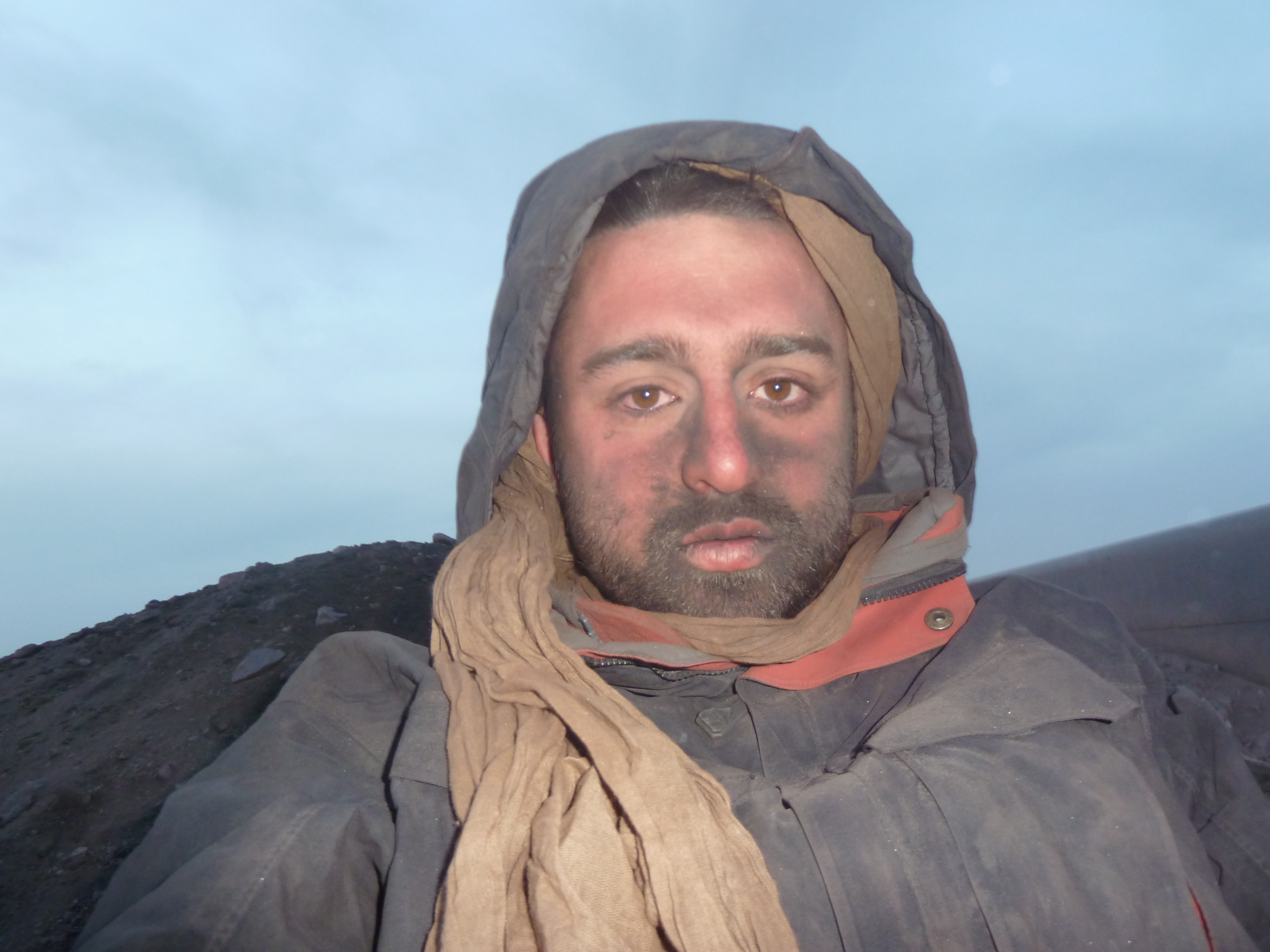
The country is almost entirely desert. The Sahara can be comically inhospitable. Even during the winter, the days can be stunningly hot and dry, and nights below freezing. At times, it was so hot that I half expected some vegetation to succumb to the heat and spontaneously combust into flames. My exposed feet cracked and bled, and despite the heat, my lack of sweat was strange.
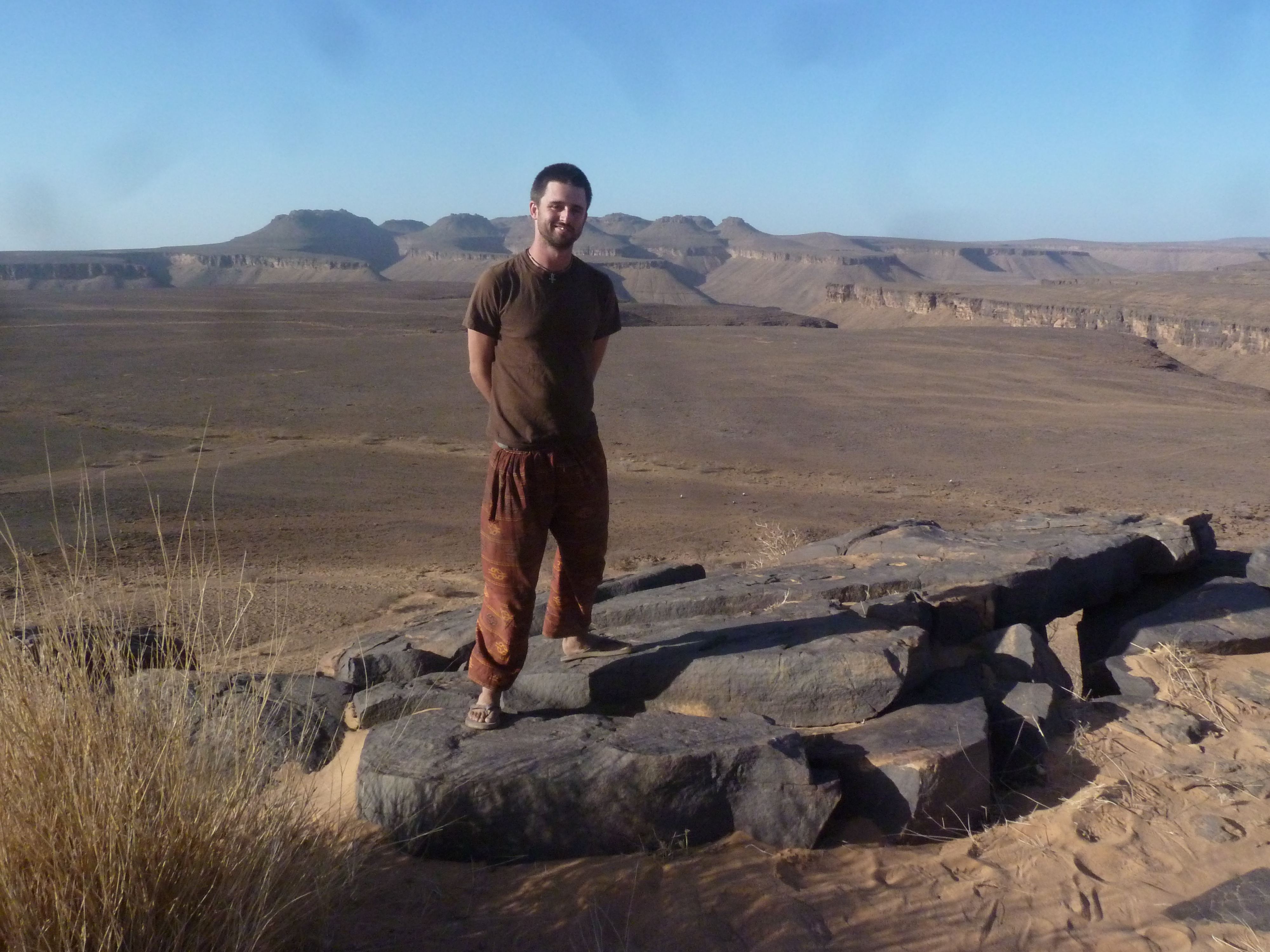
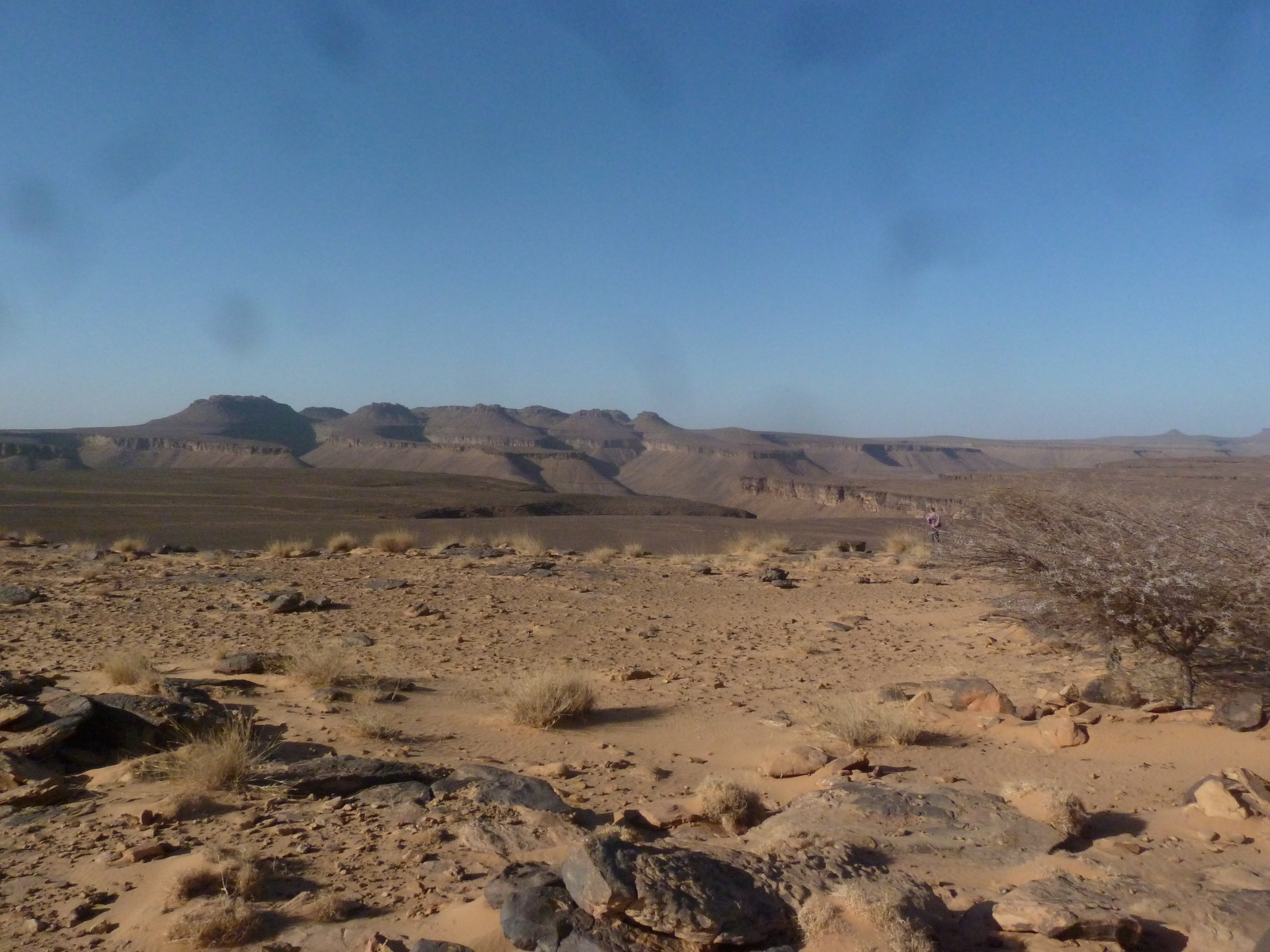
The most noticeable change is the silence. It’s as if you’ve entered a vaccuum. Coming from loud, boisterous West African cities, where people argue, livestock make any number of abrasive noises, and solitude is literally a marketable asset, the desert feels indescribably foreign. Without wind, the desert literally has no sound.

Looking out on the barren landscape, it looks like there is literally nothing there. There is little vegetation and no visible organisms. The land felt utterly lifeless. It’s depressing, and stunningly beautiful. Though the desert is far from the end of the world, it feels like it. Even though I was connected to piste, thousands of kilometers from the center of Africa, I’ve never experienced such profound isolation before in my life. 

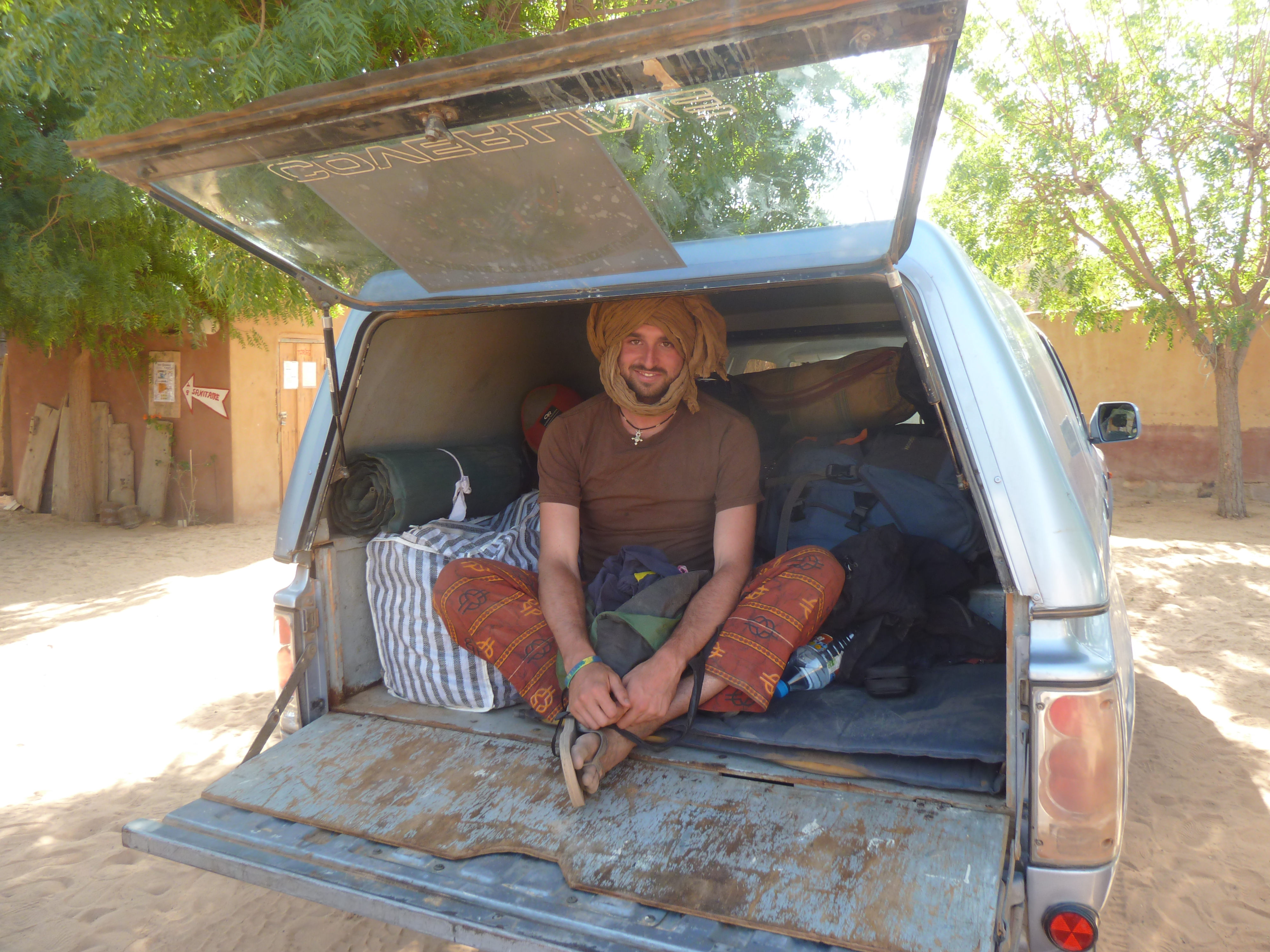
I hitched a ride with a hostel owner and his nomad friends to Oudane, an oasis with important historical implications. There was no room in their car, so I had to ride out the bumpy journey in the trunk. Perhaps it was the proximity of my head to the trunk’s ceiling (the two made contact on multiple occasions), or the surprisingly soothing rhythmic gyrations of the truck, but I found myself lost in thought.
It is such a cliche to see third world travel as a vehicle by which to appreciate my own life: the possessions that I have, the opportunities I’ve been given, the things I’ve taken for granted. Obviously, being subjected to the harsh realities of global poverty is an eye-opening experience. But, embarking on a desert journey with strangers, I’d never felt so lucky to be alive before. Had I not met friends, had I not come prepared, I would have surely died. Though they were essentially strangers, the terrain amplifies the implications of these relationships. They become a matter of life and death. Out of necessity, strangers become friends, and any sign of ill will gets interpreted as the sign of an enemy.

Shaken, once we reached our destination, I turned to my travel partners. As the hostel owner looked up at me, I immediately realized that I had sentimentalized our relationship. Perhaps before, had I not been white, had he not traveled this route hundreds of times before, had I not been so unversed in custom, this may have been more of an insightful encounter. In reality,  He wanted my money, and he wanted me to give him good references. He doesn’t need to rely on me for his well-being. However, as he handed me a bottle of water, I realized that, at the very least, I’d entrusted my life with him. As much as I was a rubbernecker, able to experience this environment behind the protective chaff of a tourist, he was still the one thing standing between me and certain death. And for that, I was immensely grateful.

Still, one could argue that kindness is culturally embedded. Tourists in this region have elevated locals’ generosity and hospitality to almost mythic proportions. As with much of West Africa, sharing is often more of an expectation than an unusually charitable gesture.  I’ve heard long-term travelers joke that one only needs to pass an eating African and exclaim “bon appetite” to receive an invitation and a free meal. My experience on Mauritania’s Iron Ore Train was no different.
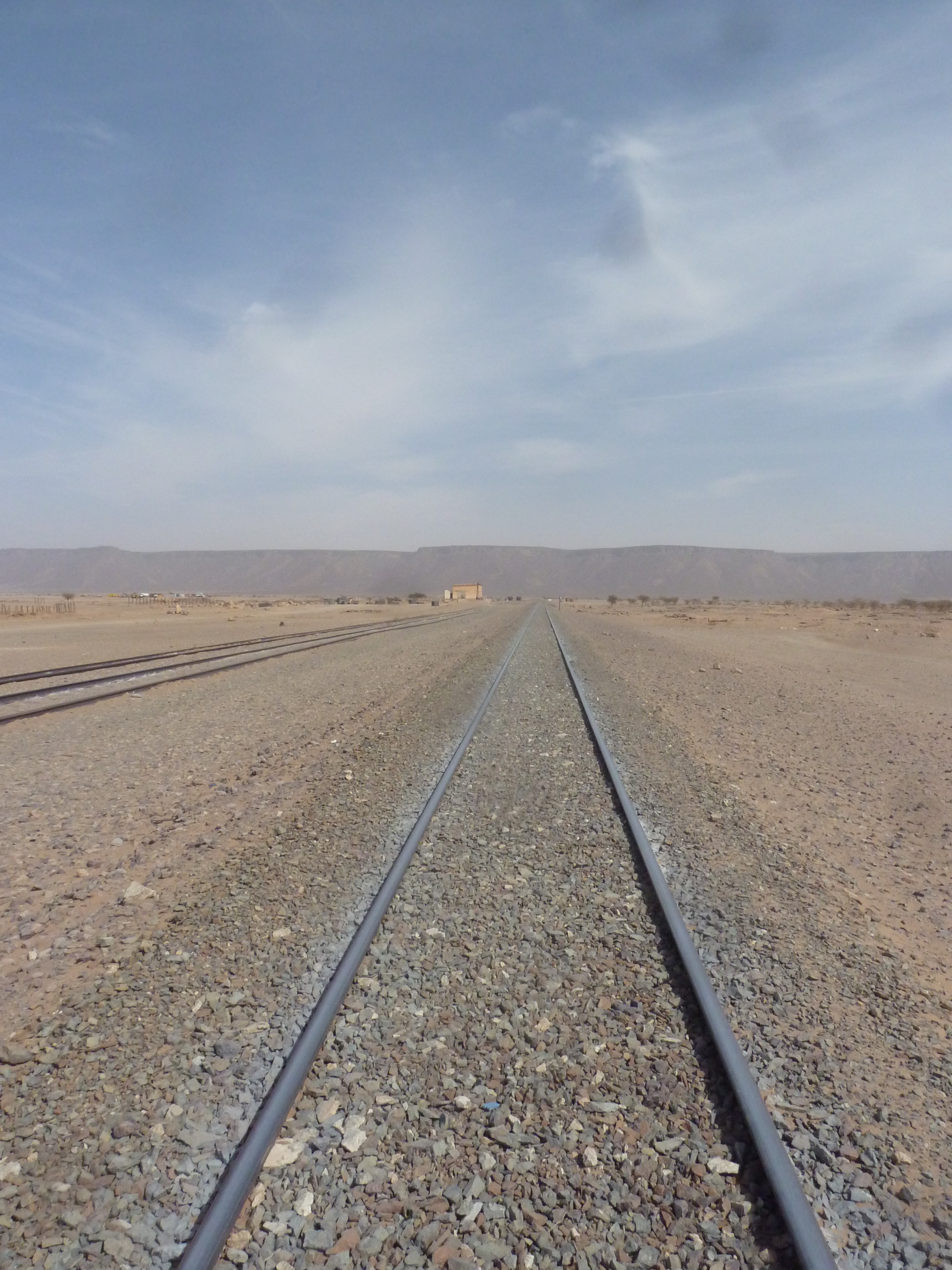
I’ve done very few things “just for the story.” Some travelers deliberately place themselves in dangerous or uncomfortable situations for bragging rights. For traveling in such a notorious region, I don’t think I’ve done that. I can’t hide it though, riding the Iron Ore Train, one of the longest trains in the world, sounded like a great story. Though there is a small passenger cart where paying customers can ride out the 14 hour journey, most people decide to enter the iron ore carts for free. This is the most epically harsh method, and I figured as long as I was doing something for a good story, I might as well go all out.

As I clumsily jumped into the cart, I was met with a mountain of iron ore. Imagine attempting to balance on a large pile of rocks as the floor steadily moves beneath you. You get the idea. A man had already set up a little corner with some necessary supplies. He had clearly done this before. He had his teapot and tea glasses (essential ingredients  anywhere you go in Muslim West Africa), blanket, dinner supplies, and charcoal. Since no one else had decided to bring any necessary supplies, he provided us with tea, dinner which we voraciously ate with our hands (pasta with vegetables and chicken, talk about a hardcore culinary accomplishment ) and blankets. He was also a stoic and intelligent conversationalist. He quickly challenged others’ tired claims that an American visa would “solve all their problems” and was an informed rhetorician when it came to global politics. In short, this guy was a total badass.

As the night progressed, our cart became populated with a series of colorful characters. There was the soft spoken moor who had recently finished a stint in an insane asylum (I didn’t press it), the sex-obsessed 23 year old from Nouakchott who was attempting to move to Morocco, and the older, kif-smoking shepherd with his sheep who spoke no french. Just to clarify, the shepherd also spoke no french.

Was the trip difficult? Kind of. It was insanely dusty, I only experienced about 3 hours of daylight, and the night was brutally cold. But as we all snuggled under blankets beneath a radiantly starred sky, I realized that this was one of my favorite experiences in West Africa. Could this have happened anywhere else in the world? I don’t know.
To compensate for my long absence, I’ve made you all a video! It begins as I ride from Atar to Choum in a truck bed, and ends with a taxi ride to Nouadhibou. The shepherd managed to fit his sheep in the trunk, an accomplishment in any part of the world.

At 3:45 you can see Ben Amira, the second largest monolith in the world behind Ayer’s Rock in Australia. Needless to say, it looked considerably more gigantic in person. I’ve also tried to include everyone onboard, though I am reasonably wary of filming people, even with their consent. Badass is featured at 3:12.

Soon to come: a long overdue Festival au Desert recap, as well as my brief sejour at a music festival in Oudane. The Mauritanian president was there, though he had to cut his time short due to an epic dust storm that enveloped everything in… well… dust.

A Free Haircut: Why Malians Have the Most Bizarre Sense of Humor Ever

Africa is pretty well known as the continent of over 10,000 cultures, languages, and tribes that within the course of one hundred years, were aggregated into a little over 50 largely arbitrary nation states. It’s easy to read that statistic and not grasp the magnitude. But come to any country in West Africa and discover that diversity yourself.

I’ve only been to four countries so far. Within those four countries, I’ve encountered over 20 different languages and dialects, along with myriad different tribes, ethnicities and distinct cultures. Some of them are insular, some of them, by virtue of urbanization or trade, have begun to integrate. Of course, as you are probably aware, this has provided the groundwork for a lot of conflict on this continent. Sadly, culture clash in Africa has led to violence on many occasions.

Sometimes, however, you find yourself face to face with something bizarre and beautiful. In southern Mali, when many people approach someone new, they begin by insulting each other. This line of insults stems entirely from lineage.
Say I introduce myself as Moussa Traore (one of my many given names). A person (for purposes of this demonstration, let’s say a Coulibaly, another extremely common Malian last name) might greet me with a series of customary West African salutations, asking about my family, my health, how my day is going. Then he might say something like “Traore? I be so dun” (“E Bay Sho Doon,” literally “‘you like to eat beans”). Without missing a beat, I could respond with “You’re a Coulibaly. Your family is too stupid to farm, all you eat are peanuts and horses.” The line of insults continues until both parties burst into laughter.

“What?” You ask. “How does this make sense?” To the outside observer it doesn’t. But can you think of a more bizarre and interesting way to deal with ethnic confrontation? Thus, out of sheer cultural curiousity, I became a regular participant.

Though French is the official language of Mali, like other West African states, most people speak only very little of the colonial language. Bambara generally functions as the lingua franca, a trade and media language and the mother tongue of Mali’s largest ethnic group. Though I tried, I learned very little Bambara during my stay in Mali. “I be so dun” quickly became a mastered phrase, however, as it would immediately bring a smile and an incomprehensible line of insults headed my way. Once people understood that that phrase was about the extent of my Bambara (can you think of anything more random?), they continued in French if they could speak it, or simply gave up and hugged me. “I be so dun” was key. It turned a lot of potentially awkard cab rides into social events, and was often the beginning of a conversational ticket into peoples’ homes.

In Mopti, it even got me a free haircut. I had some time to spare, so I wandered around the market area, playing tricks on touts and trying to find a decent brochette sandwich. I came upon a particularly interesting barber shop, purporting to be the “Barber Shop of Obama.” Barack’s visage is all over West Africa, from t-shirts to mattresses. Still, I couldn’t help but marvel at the barber’s audacity.

We began talking, and he introduced himself as a Keita. I introduced myself as a Coulibaly and let out my line. He countered with a line of French insults culminating with “We are Bozos, you are our slaves.” Jokes about slavery might seem a bit uncouth. In the world of cousinage however, they are both fair game and commonly used. I then came up with a line about selling fish in Senegal because his family is too stupid to accomplish anything in Mali. He returned with another line about slavery and I admonished him for his lack of creativity. I also concluded that, as payment for all of our years of free labor, the least he could do is give me a free haircut.

Then he did.

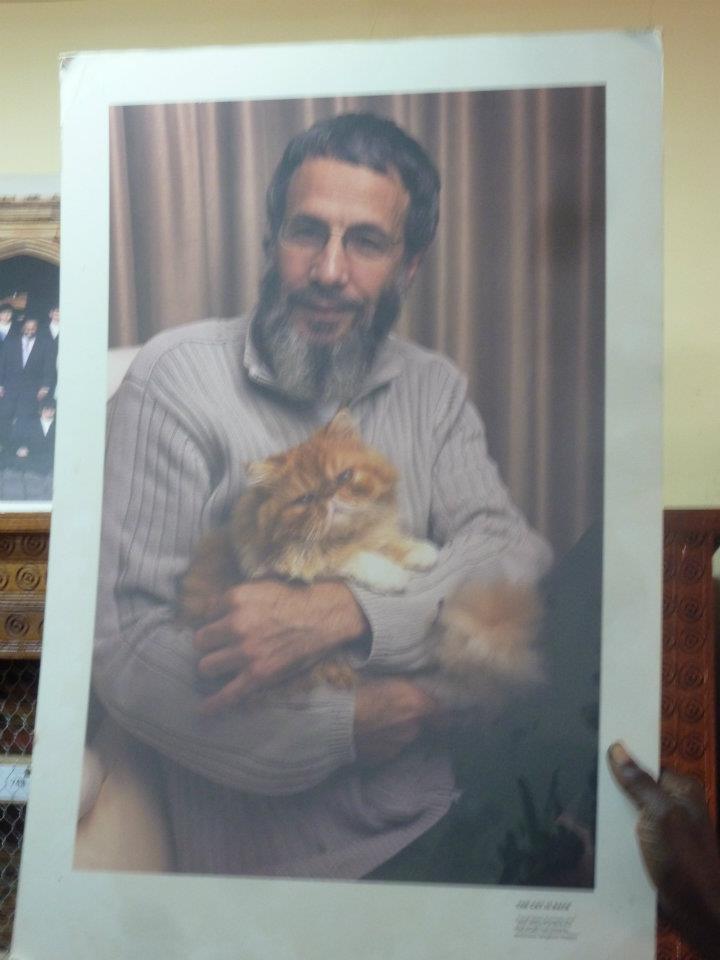
BEFORE

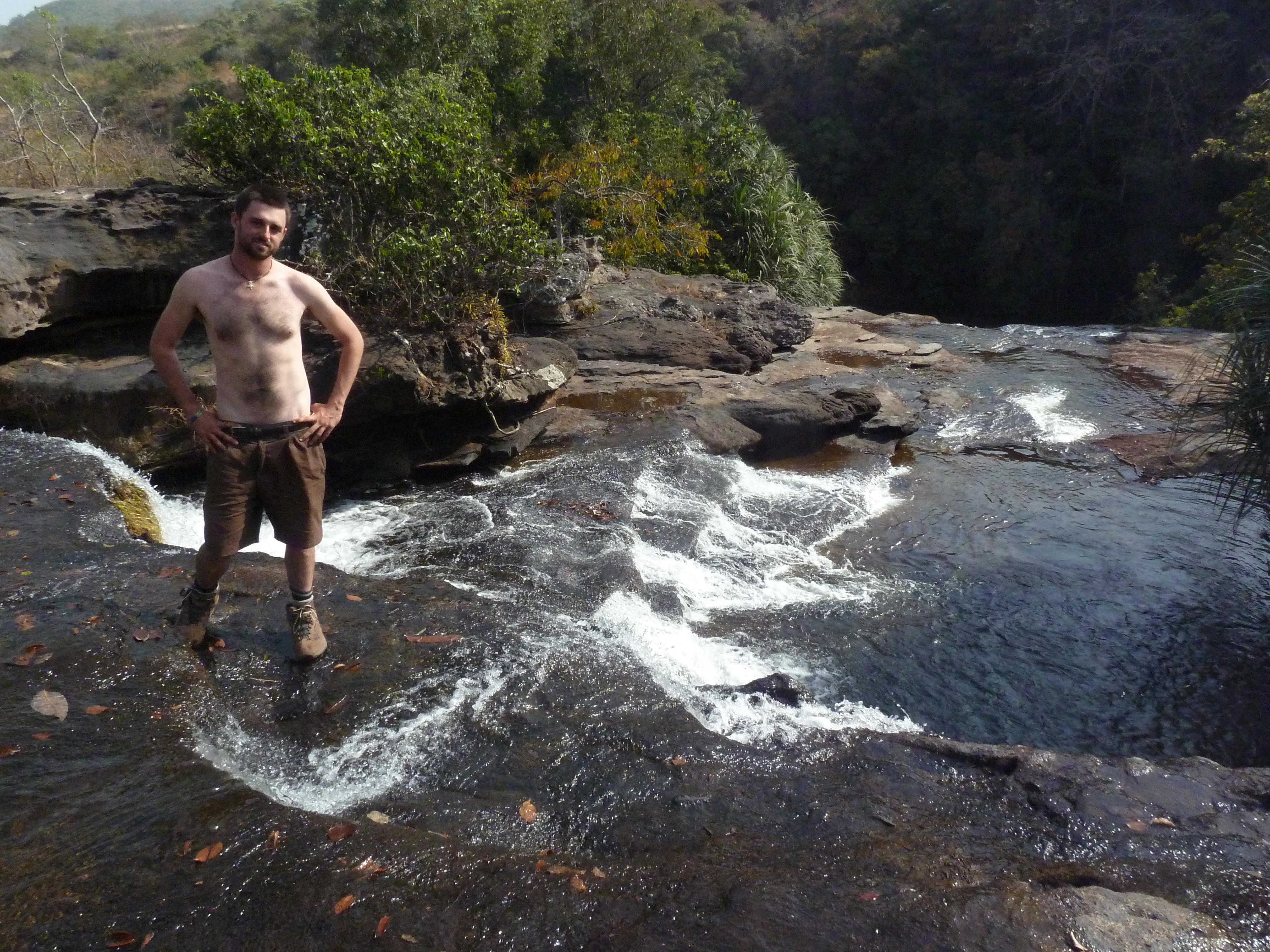
AFTER

That first photo is actually a picture of Yusuf Islam (AKA Cat Stevens) that I ran into in Timbuktu. His company is self explanatory.

AN UPDATE ON THE SITUATIONS IN SENEGAL AND MALI

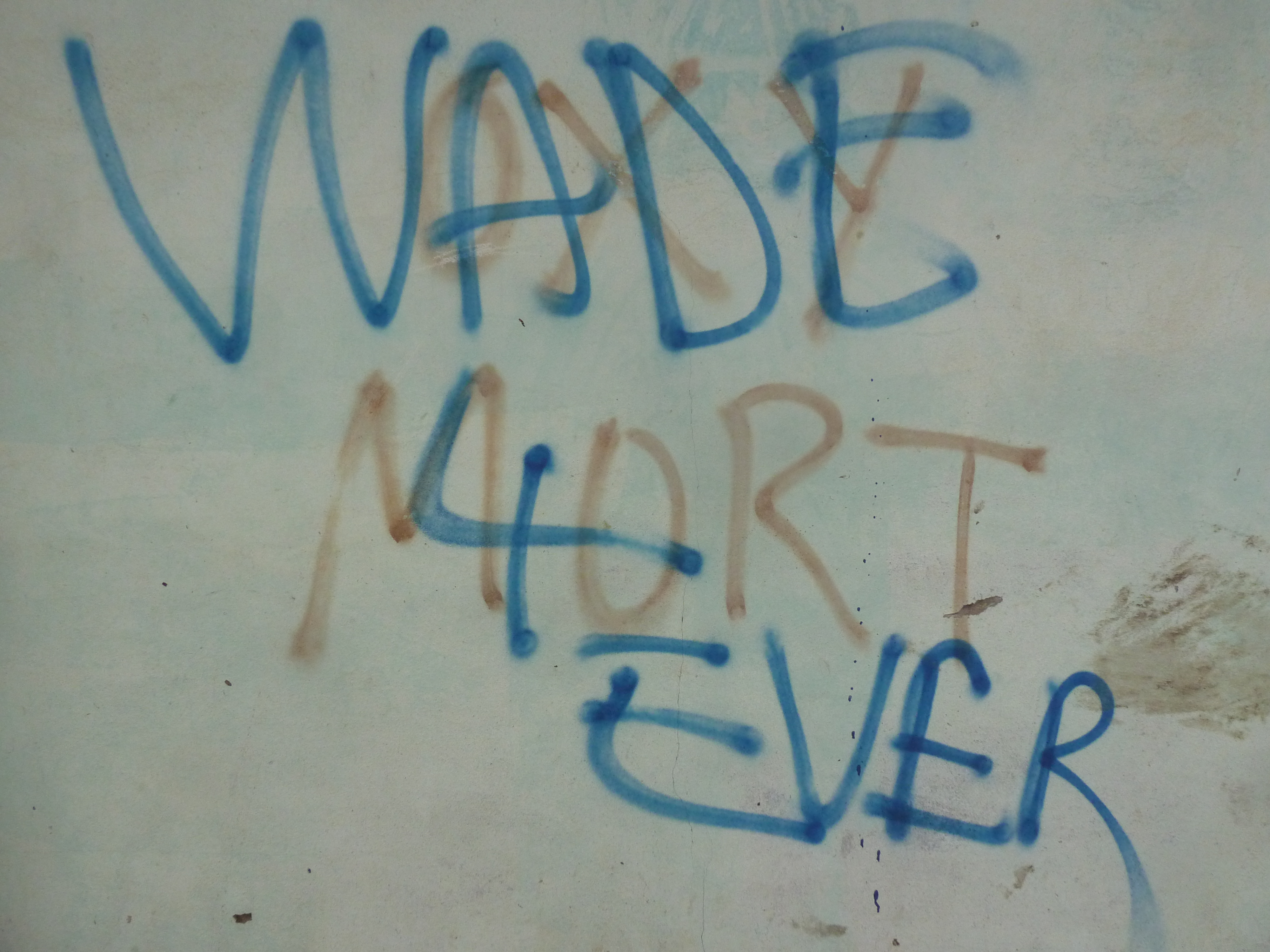
In Dakar, protests have died down, though the opposition has pledged to organize more if their demands are not met. Most people I’ve talked to are so incredulous at the government’s (or overzealous cops, these things tend to get conflated) violent crackdown on the protesters that it’s really hard to determine who Wade’s base actually is. It seems like his administration has really alienated a good portion of the voting bloc, and it is hard to imagine that he would get reelected.

Of course, one never knows. His administration allegedly provided “gifts” for the supreme court judges that ruled in his favor, and only one major political figure formerly affiliated with his camp has spoken out against him. The leader of the influential Niassene Leona Muslim Brotherhood appealed by writing “power is not worth this. It is not worth the death of even one of our sons. You have given us 11 good years. You cannot do anything short of what Senghor or Abdou Diouf have achieved. For the sake of peace, Wade, we beg you to retract yourself.”

Meanwhile, the resistance in Northern Mali has lulled, though leadership has suggested that fighting will continue. Like many in Africa, the conflict is a lot more complex than a short news article can possibly communicate. Though the Mouvement National pour la Liberation de l’Azawad (MNLA), has explicitly expressed its goal for an independent nation state, there are likely several different groups all vying for similar but not always consistent objectives. Also, Tuaregs inhabit one of the poorest and most isolated regions on earth, so adequate information and decent journalism is often very hard to come by.

Here’s an article from the front page of the New York Times website that refers to the rebels as “The Tuaregs.” If the rebels had been of French origin, would they have been referred to as “The French?” I think not. The article also paints Colonel Gaddafi as the sole posthumous mastermind behind the most recent rebel incursions. Though his mercenaries’ influence is undeniable, anyone familiar with the region would rule that out as a gross oversimplification. To add to that, someone who’s never been to Mali and has no familiarity with the region reads the last line of the article, and Mali immediately becomes hell on earth. You can see why I have an endless beef with western media coverage of this place.

According to reports, Tuareg rebel forces still hold a few towns, and have apparently killed a relatively large number of Malian troops (as much as 40 in Aguelhok alone). Though civilians have allegedly been mostly spared from the fighting, I find it hard to believe that this new wave of violence will garner more popular support for a movement already lacking in that crucial category.

After the second day of protests in Bamako, representatives were granted an audience with the president who recognized their concerns. He even fired the defense minister, a move that is clearly symbolic and likely won’t do much when it comes to properly equipping the military anytime soon. Despite rumors, protests were explicitly aimed at the president’s administration, not at Tuaregs living in the city. According to friends, no violence has been directed against Tuaregs, though rumors that opportunistic juveniles were targeting Tuareg businesses and anyone Arab-looking persisted. No deaths or major injuries have been reported.

Now, to contribute my own ridiculous cultural generalization: not to be insensitive, but  the Tuaregs are perhaps the only major ethnic group in Mali that don’t participate in the cousinage ritual. Coincidence? MAYBE NOT.

A Bit of Somber News

I spend a lot of time making fun of myself on this site. I also spend a lot of time discussing some pretty silly things. My next post will be a prime example, I promise.

This one is different. I hope that, beyond all the silliness, a common thread has emerged from this website. I set out trying to counteract some commonly held misconceptions about this region, or at least to give a little nuance to an unfairly characterized corner of the world.  Unfortunately, every now and then, violence happens. And therein lies the conflict for major western news outlets. To ignore these events is irresponsible, to give them airtime only falls right into much of the western world’s limited comprehension of this region.

This last week has not been a good one for Mali and Senegal. I arrived in Dakar two days ago. So far, I’ve had a great time, though this city hasn’t.

Since my arrival, Dakar has been a site of protest. Traffic has been insane. The city center has been packed daily. People without televisions have been sitting outside general stores, restaurants, or even homes staring as the news cycles images of protest, masked gendarmes firing rubber bullets, injured protesters limping or being carried to nearby medics. It’s been impossible to escape, the Africa’s Cup providing the only respite from an otherwise grim news cycle (Ghana won yesterday and advanced to the next round… hell yeah).

It hasn’t been hard to see whose side the news is on. Except for the state-sponsored channel, each professor or politician interviewed spoke of preserving Senegal’s now fragile democracy. So far, four people have been killed countrywide.

The precedent for abuse of term limits and electoral fraud in Africa is strong. It has retarded once prosperous, functioning democracies like Cote D’Ivoire and turned them into war zones where investors and NGOs fear to tread. Many Senegalese are sensitive to this, and see president Abdoullaye Wade’s party’s augmentation of his constitutional term limits as a dangerous step in that direction. This recent wave of protests has been in response to a supreme court ruling that upheld the decision. I can’t say I blame the protesters. The elections are at the end of this month. If he doesn’t step down and then wins the election, the situation in Dakar could get ugly fast.

The Tuareg rebellion in northern Mali has once again taken a violent turn. Rebels, many recently returned after fighting for Gaddafi’s military in Libya, have attacked six towns in the last two weeks. Their most recent attack has garnered the most attention. Niafunke is Ali Farka Toure’s hometown, and the site of a huge part of Mali’s musical tradition.  I was also there less than a month ago which is pretty surreal.

In an interesting and related musical anecdote, the Festival Au Desert’s most anticipated act, Tinariwen, came onstage to rousing fanfare. Soon, however, the crowd lost a lot of its enthusiasm, as it became obvious that they were missing members. A drunk aussie behind me at one point referred to the group as “Tinariwen’s B team.” It turns out, their most recognizable member and principle singer Ibrahim ag Alhabib has joined the rebel forces.

Though many Tuaregs share the rebels’ separatist sentiment, most don’t advocate violence, and they’re certainly not accustomed to it. If the situation doesn’t calm down, Tuareg refugees could begin spilling into the rest of the country. Phil from Phil in the Blank has been in touch with our hosts from the Festival Au Desert. They’re ok, but needless to say unhappy and apprehensive about the future.

On the other side of the coin, the deaths of Malian troops in northern Mali have sparked a wave of protests in Bamako. Wives are understandably angry that the government is sending their husbands to protect these villages without adequate preparation or equipment. According to friends, much of the city has been closed, and it has been hard to find a bus out, since people are leaving en masse. The situation remains safe, but as always, potentially volatile.

Here’s hoping that these situations die down soon.

If only we could all reconcile our differences over football matches. Speaking of that, the second round of the Africa’s Cup starts in two days. I hope you’re as excited as I am.