
As I stepped off the tro-tro in Butre, an overly friendly rasta greeted me. Throughout my time in West Africa, I’ve learned to be wary of Rastas. Their chronically stoned demeanor and insistence on using lame catchphrases gets tiring after a while. This dude was no different. He’d written a song, “It’s not Easy Living in a Paradise,” reproaching the local villagers for hatin’ on his lifestyle. Needless to say, the title became a bit of a catchphrase.
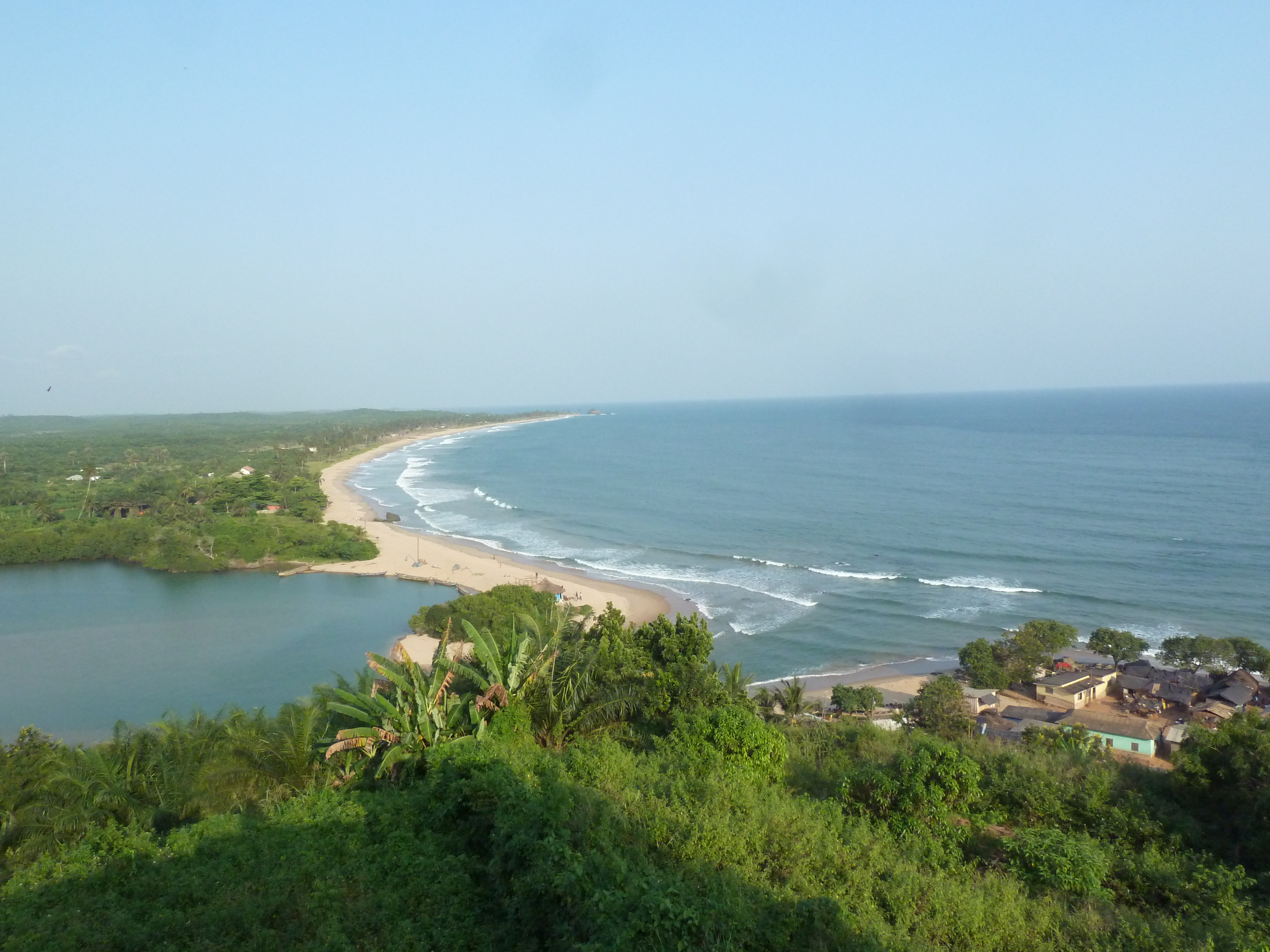
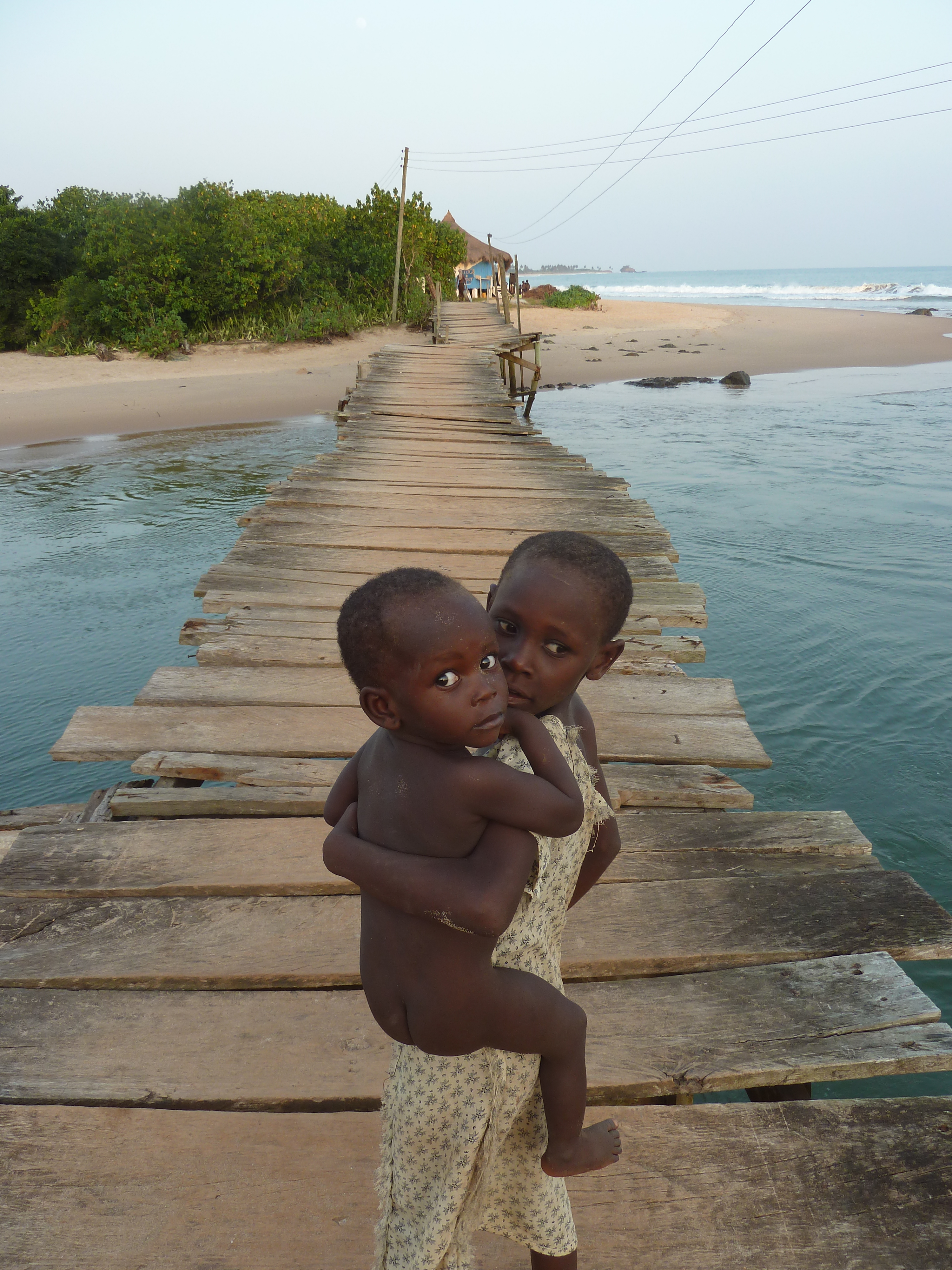 Though I can’t speak to living, it’s incredibly easy to visit a paradise. Euphoric even. I spent four days in Butre, a beach community along the coast of Ghana. I truly cannot believe this place exists. It’s the Caribbean of old without luxury resorts, a culinary Provence before the rest of the world discovered it. It’s hard to imagine that such a beautiful beach community still has a modicum of local culture left. But really, aside from two small beach hotels, the town is incredibly bucolic. Locals are predominantly fishermen, farmers, and small-time traders.
I sound like I’m romanticizing poverty. In a sense, I suppose I am. Members of this community would no doubt bolster their incomes if Butre had a more established tourism industry along the lines of neighboring Busua beach, a haven of luxury resorts, fancy restaurants and beach bars. Like I said, I can’t speak to living here. But as a visitor, this place is a paradise. Those of you experiencing a midlife crisis: come buy property here. Now
On the advice of a friend, I decided to eschew the popular Green Turtle Lodge, an eco-friendly mainstay of backpackers and volunteers making their way through Ghana. Instead she suggested I stay in an electricity-free treehouse in a small beach town for 8 cedi a night (or about 5 dollars).
About a mile down the sand villagers spent their days pulling in giant nets of fish, which they would then smoke and sell at the market. I managed to convince the local chief to let me on to his boat at about 5 am. About 10 young men paddled in unison, chanting rhythmically as they set out nets for the day’s catch. It was beautiful and exhausting. I gave up after about five minutes, while the young men were able to keep going for another hour and a half. To say that the experience was emasculating is an understatement.
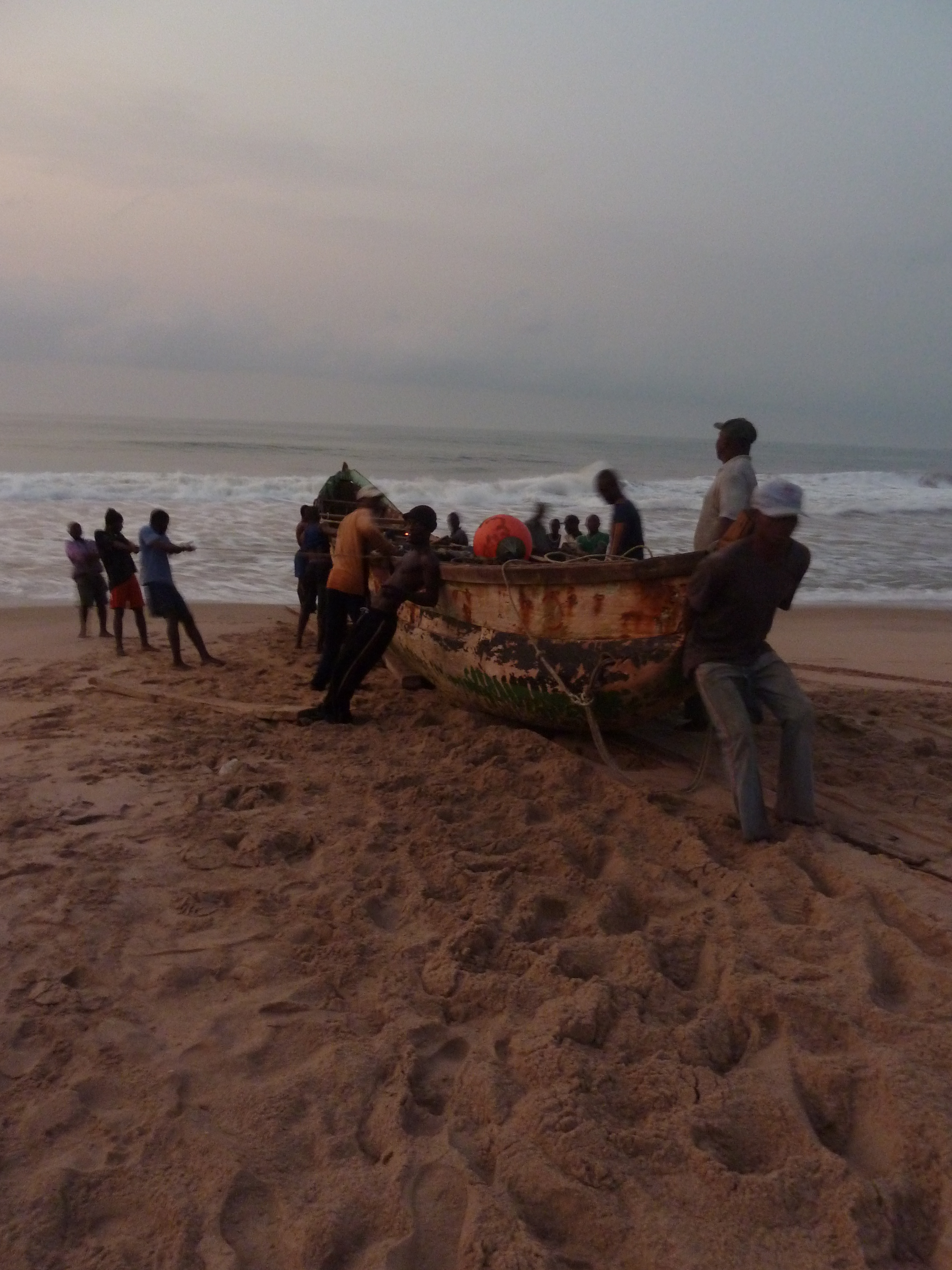
Afterwards, I tried to buy fish from their catch. They insisted on giving me their largest fish… for free… three days in a row. I’d like to think that it was because I charmed them with my newly minted Ewe, but I think they were just genuinly nice, hospitable people. I spent days casually chatting with the villagers.

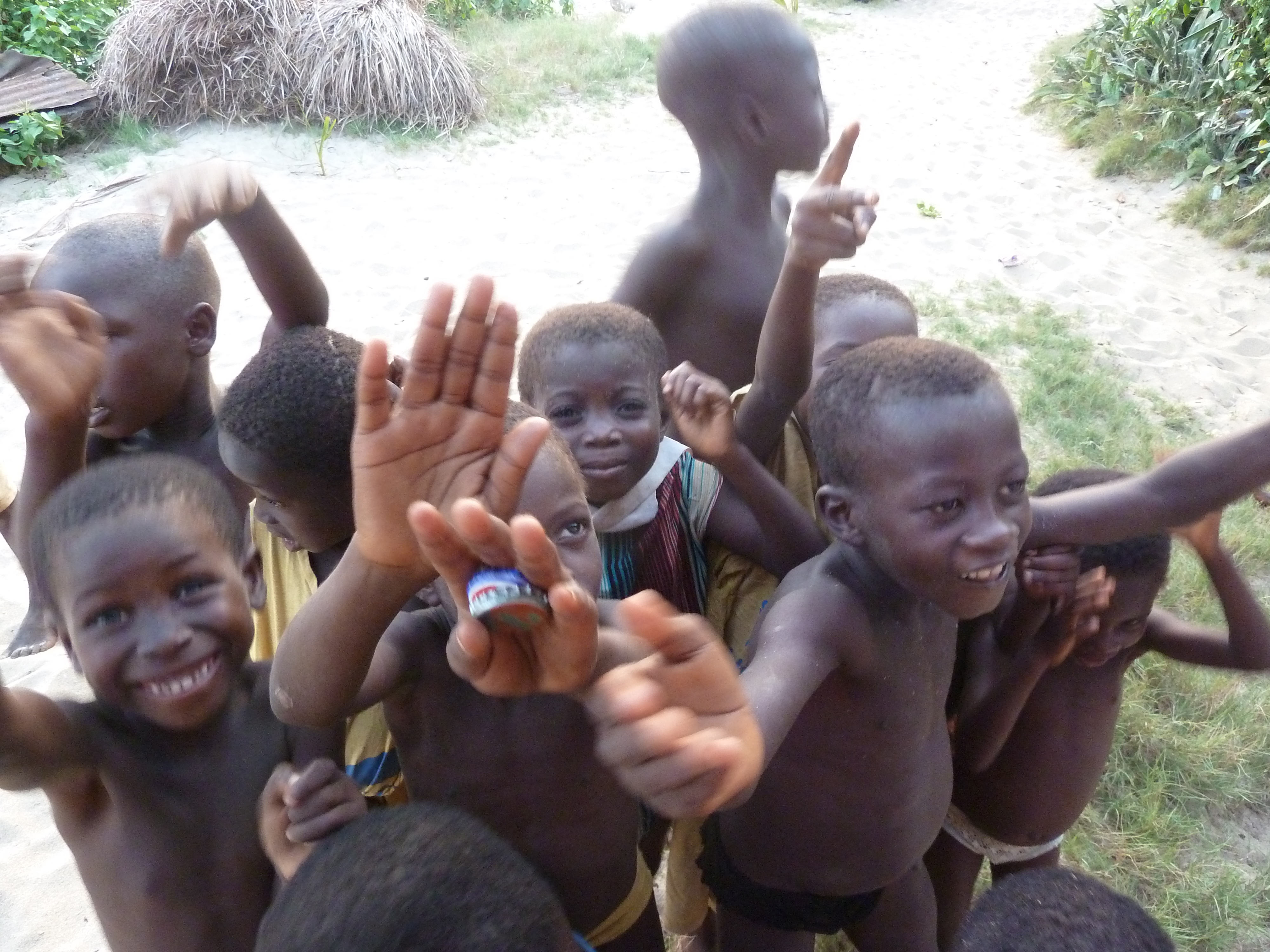
By night, I started impromptu dance parties with local children. They looked like this:
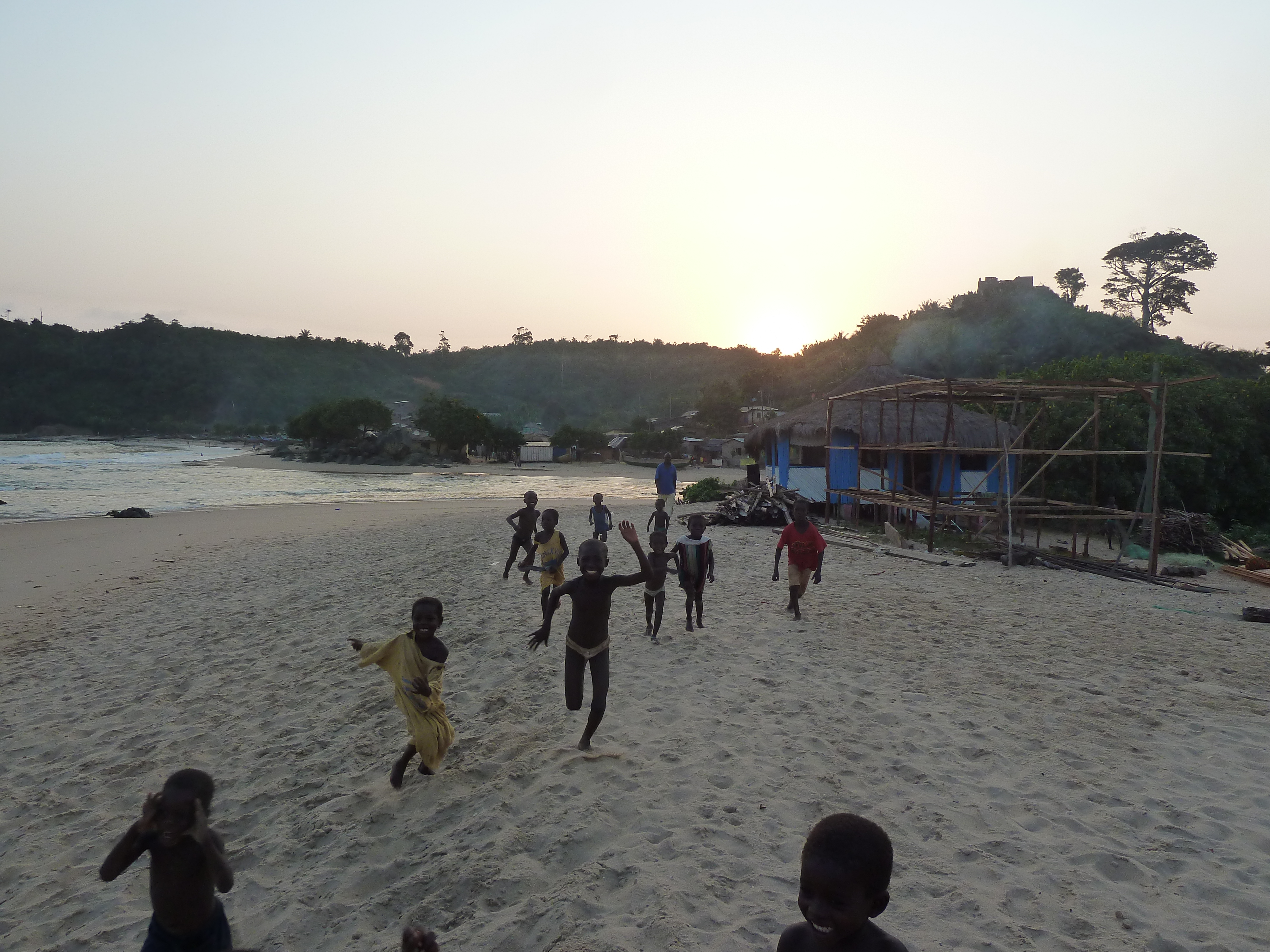
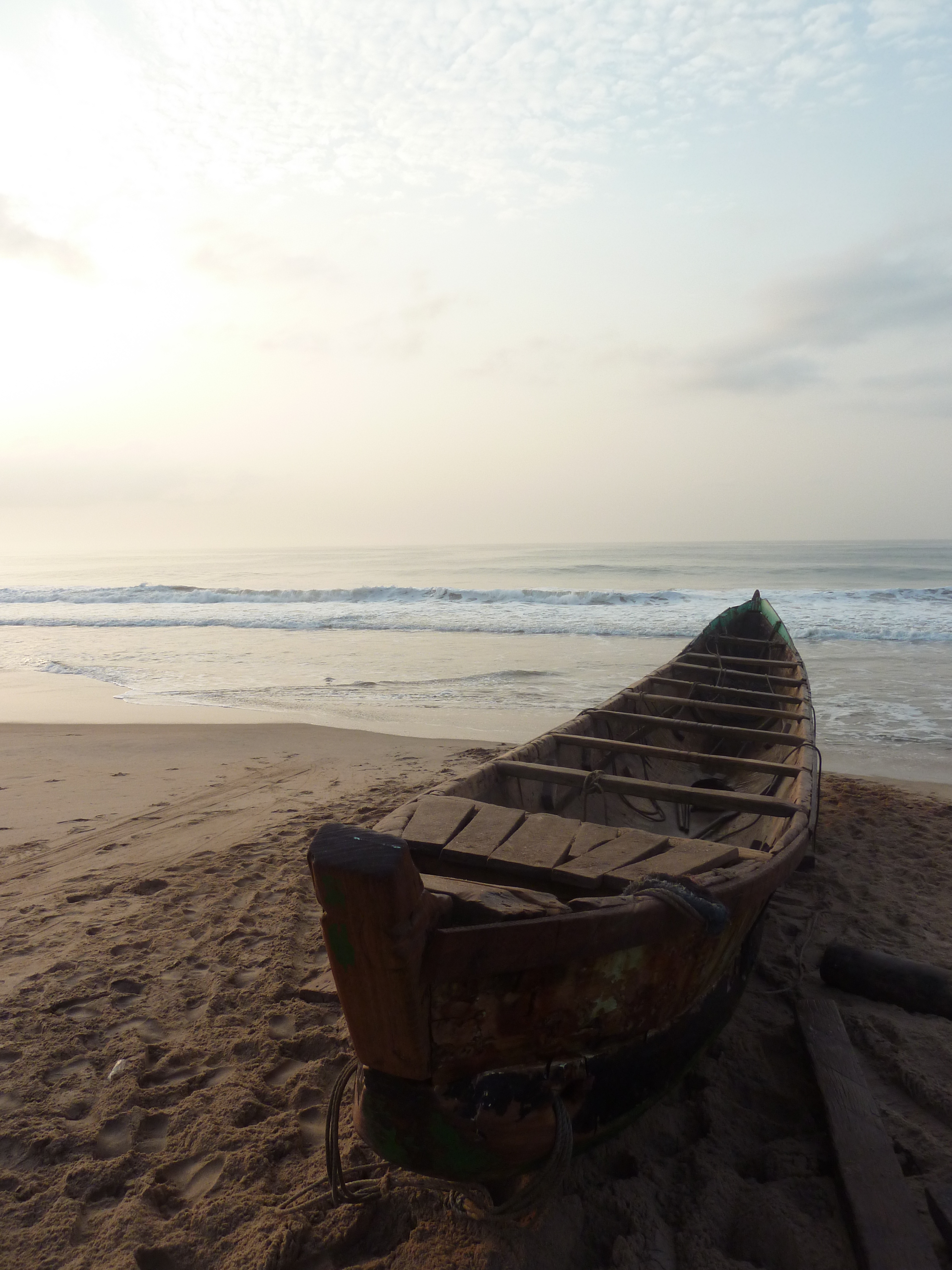
They were often followed by a delightfully warm dip in the waves.
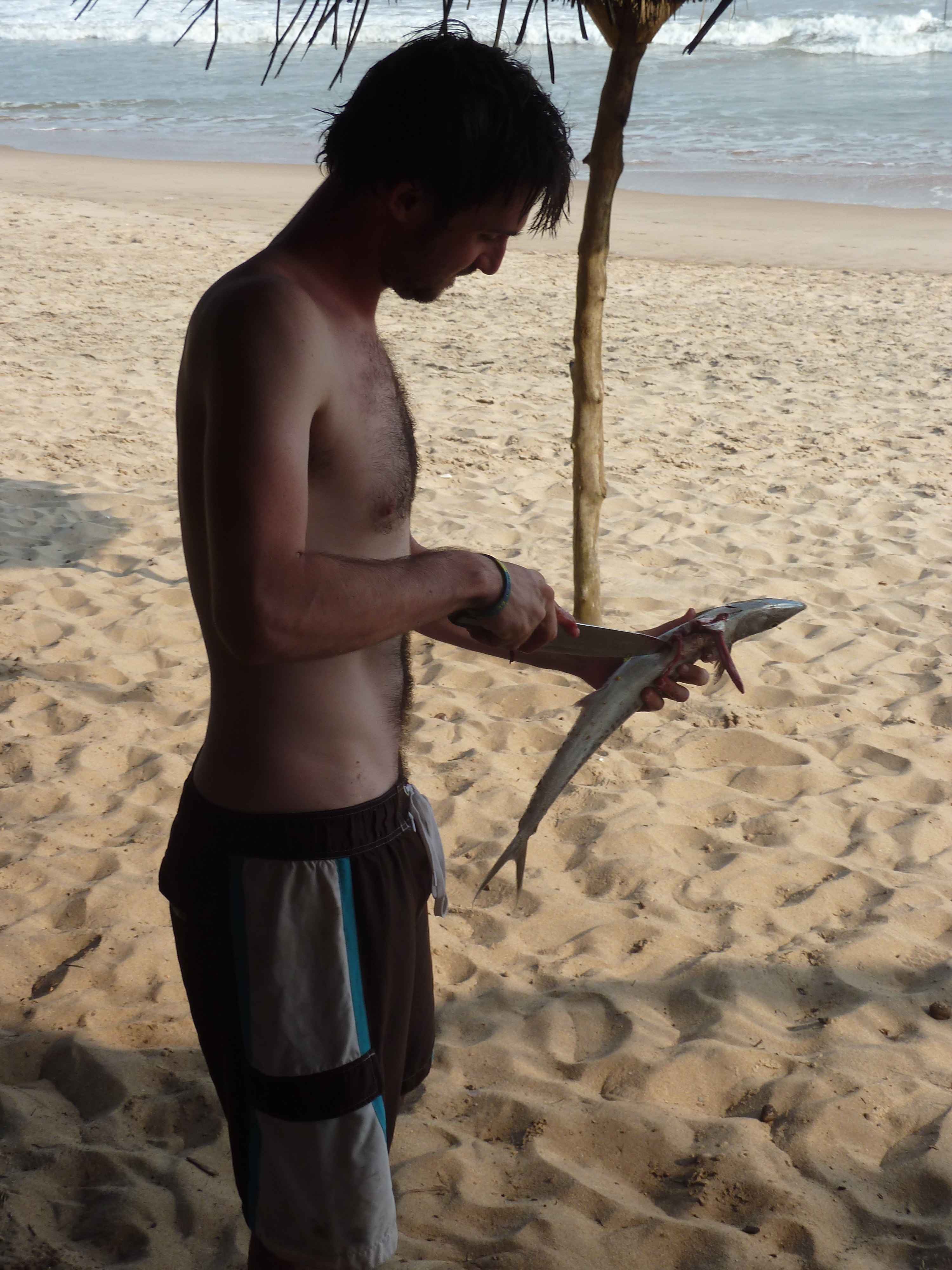
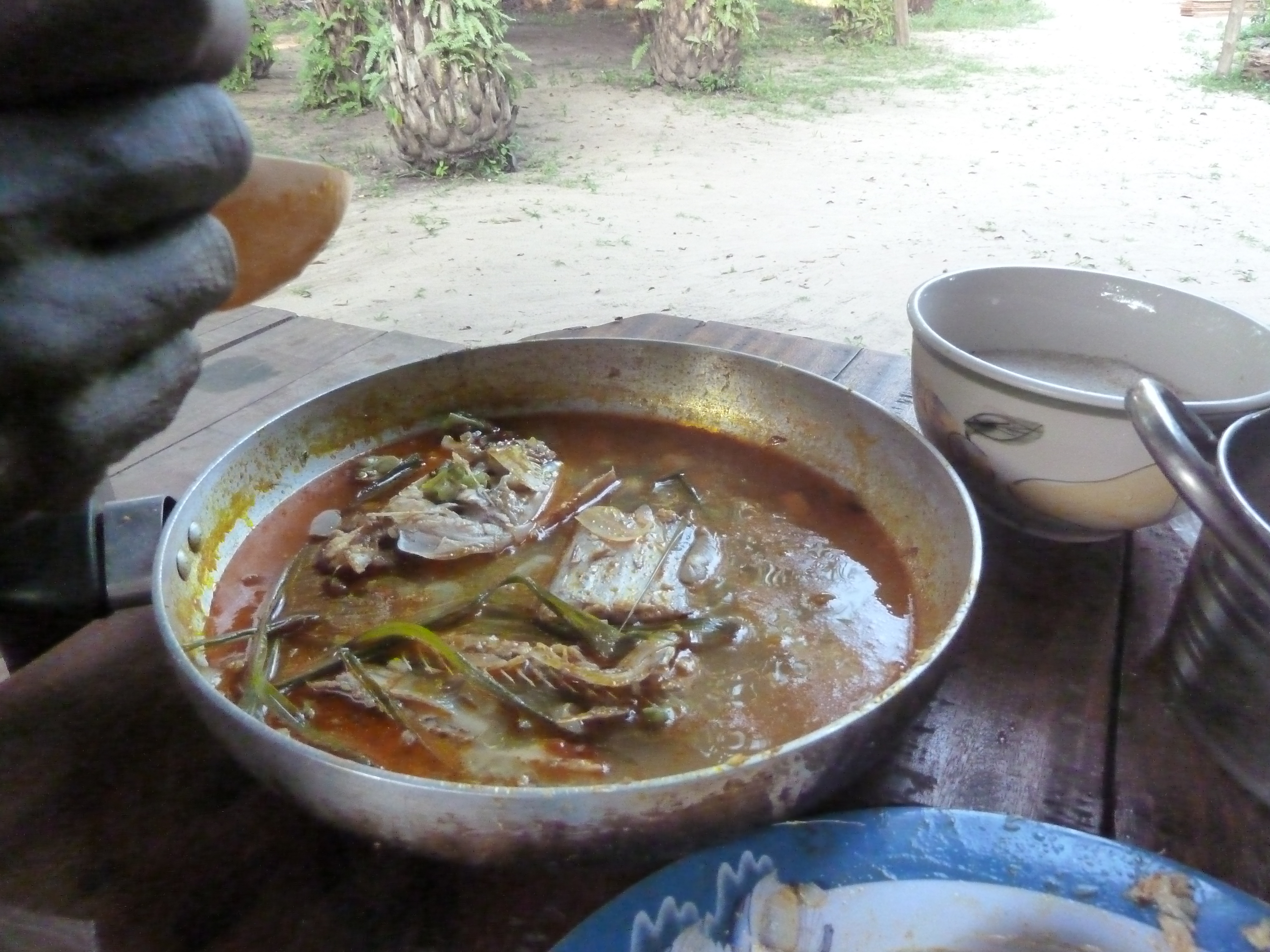
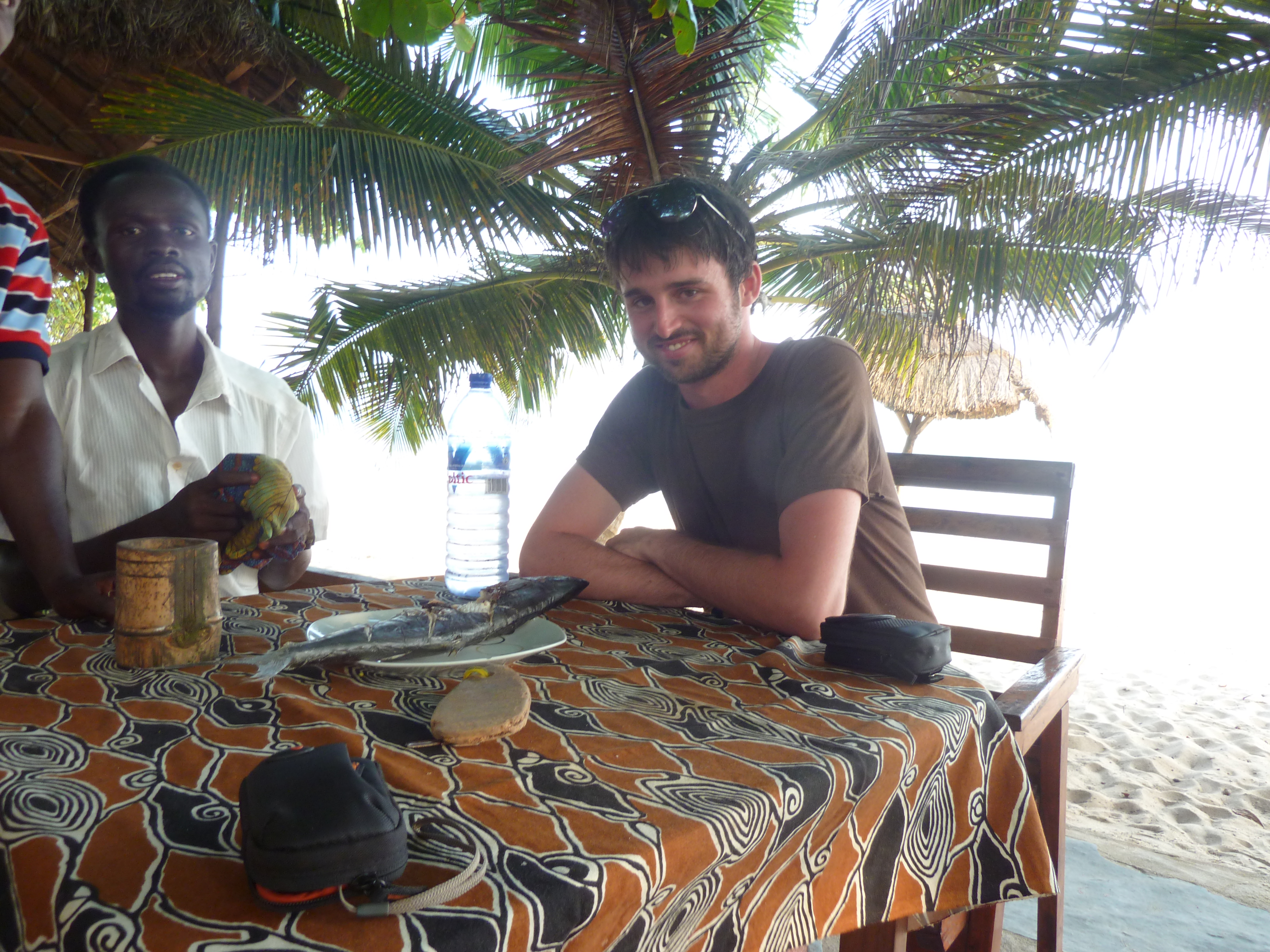
My opportunities to cook in West Africa have been rare, and I took full advantage of the treehouse’s gas stove. About an hour out of the ocean, I enjoyed a freshly grilled mackerel. I had to convince the accompanying Ghanaians, too used to overcooking fish to rid any semblance of bacteria, that a rare fish was the way to go. They were impressed. Or at least they pretended to be.
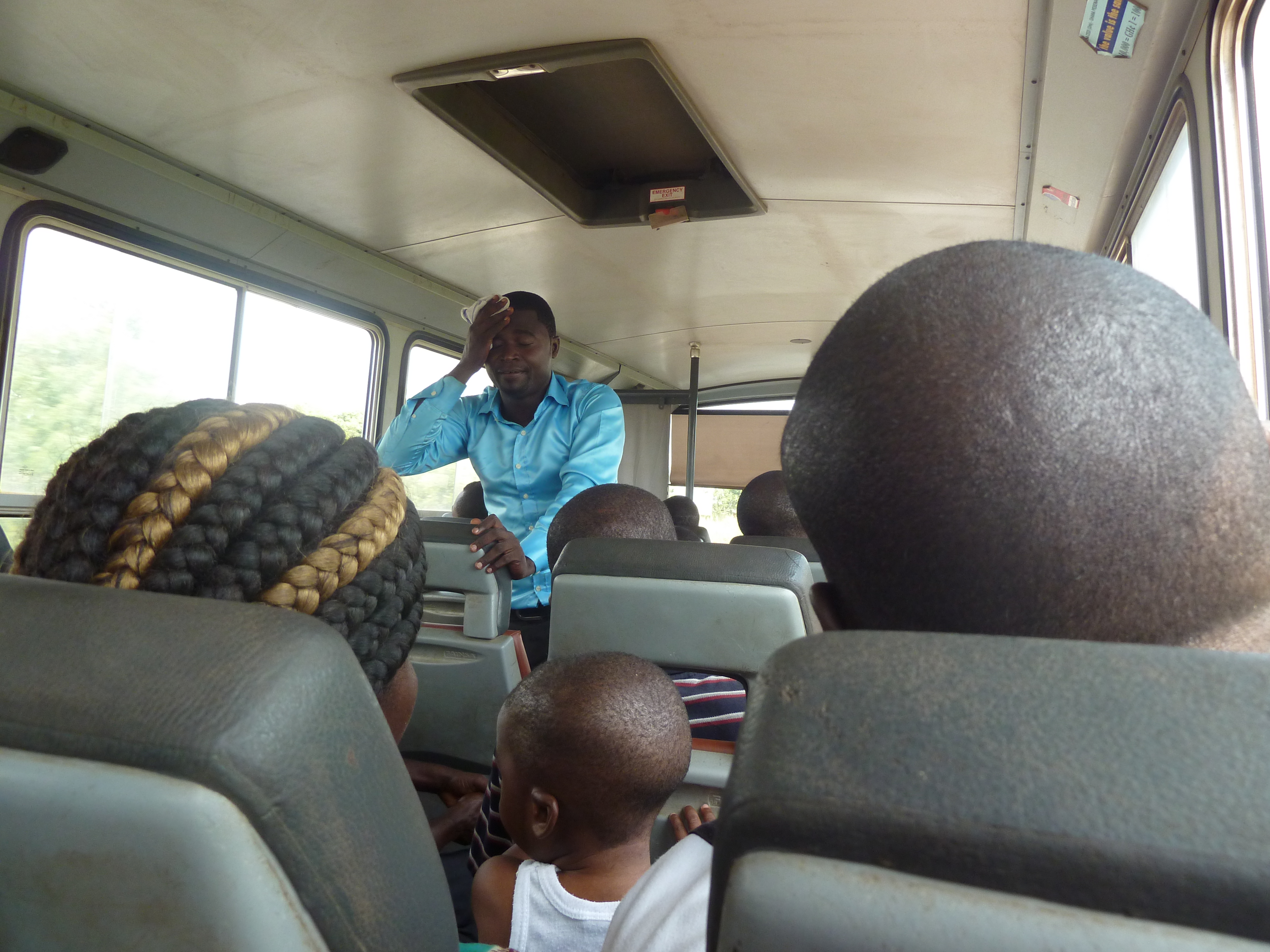
 On the way back from Takoradi, after a night punctuated by conversations with prostitutes (Takoradi is the site of Ghana’s new offshore oil find… a lot of foreign clientelle here with cash to spare) and some disgruntled but gregarious Ivoirians, I found myself on a bus.
 Wherever You're Going, It's That Way
I LOVE Butre. I just found your great article. I have been there last year too. And it was amazing. By the way awesome pictures.
I must say you have hi quality articles here.
Your content should go viral. You need initial boost only.
How to get massive traffic? Search for; Murgrabia’s tools go viral